Expert Advice on Establishing a Dust-Free, Allergy-Proof Home
Introduction
Are sneezes, itchy eyes, and stuffy noses turning your living space into a battleground? You are not alone. Dust--along with dust mites, pet dander, pollen, mould spores, and volatile organic compounds (VOCs)--is one of the most pervasive indoor triggers of allergy and asthma symptoms. This comprehensive guide delivers Expert Advice on Establishing a Dust-Free, Allergy-Proof Home, backed by building science, public health insights, and practical, sustainable strategies that actually work. Whether you rent a studio or own a large family house, the proven steps below will help you reduce allergens significantly, improve indoor air quality (IAQ), and create a healthier, more comfortable home.
Unlike generic cleaning tips, this long-form, actionable resource dives deep into allergen lifecycle control (where allergens originate, how they move, and how to capture or neutralise them), standards-based product selection (HEPA, MERV, low-VOC), and UK-relevant regulations and labelling to support safe, evidence-led decisions. Expect a blend of science and practicality, alongside sustainable swaps that lower chemical exposure and costs over time.
Table of Contents
- Why This Topic Matters
- Key Benefits
- Step-by-Step Guidance
- Expert Tips
- Common Mistakes to Avoid
- Case Study or Real-World Example
- Tools, Resources & Recommendations
- Law, Compliance or Industry Standards (UK-focused)
- Checklist
- Conclusion with CTA
- FAQ
Why This Topic Matters
Indoor environments can contain 2-5 times more pollutants than outdoor air, according to public health and building science research. For individuals with allergic rhinitis, asthma, eczema, or chemical sensitivities, even modest reductions in dust and airborne allergens can meaningfully improve quality of life. Dust is not just dirt--it is a complex mixture of organic and inorganic particles: human skin flakes, textile fibres, pet dander, pollen, soot, brake dust infiltrated from outdoors, mould fragments, and proteins from dust mites. Many of these particles are respirable and can irritate the airways; others carry allergenic proteins that trigger immune responses.
Critically, allergens behave differently depending on size and moisture. For example, dust mites thrive in humid environments (ideally 50-70% RH), feeding on skin flakes and nesting in bedding and upholstery. Pollen tends to spike seasonally and enters through ventilation or clothing. Mould spores proliferate with damp and poor ventilation. Understanding these dynamics allows you to target the problem at the source, not just by removing visible dust but by controlling moisture, filtration, and the materials that harbour allergens.
This guide provides Expert Advice on Establishing a Dust-Free, Allergy-Proof Home with a whole-home strategy that prioritises prevention, capture, containment, and sustainability. When you combine smart cleaning techniques with ventilation, filtration, and material choices, you can break the cycle that keeps allergens circulating.
Key Benefits
- Reduced symptoms: Fewer flare-ups of sneezing, congestion, and wheezing, especially in bedrooms where exposure is prolonged.
- Improved sleep quality: Allergen-proofing mattresses, pillows, and bedding reduces nocturnal irritation and coughing.
- Cleaner indoor air: Effective filtration (HEPA/MERV-13+) captures fine particles including dust mite allergens and pollen.
- Better energy and cost efficiency: Strategic prevention means less frequent deep cleans, fewer products, and more targeted interventions.
- Lower chemical exposure: Using low-VOC materials and simple, effective cleansers (like microfibre and diluted detergent) minimises irritants.
- Long-term asset value: Moisture and mould control protect building materials and finishes.
- Sustainability aligned: Reusable cloths, eco-certified products, and durable filters cut waste and environmental impact.
Step-by-Step Guidance
Follow this structured plan to transform your space into a dust-free, allergy-proof home. The sequence prioritises the highest-exposure zones and the most impactful interventions first.
1) Assess and Prioritise High-Impact Zones
- Start in bedrooms: We spend a third of our lives in bed. Bedding and mattresses are dust mite reservoirs.
- Move to living areas: Sofas, rugs, and curtains are common dust traps.
- Tackle entryways: Many particulates enter from outside; focus on mats, shoe policies, and seal integrity.
- Inspect damp-prone rooms: Kitchens, bathrooms, basements/lofts--watch for condensation, leaks, or mould.
2) Control Moisture and Relative Humidity
- Aim for 40-50% RH: Below 50% slows dust mite reproduction and mould growth; above 60% invites problems.
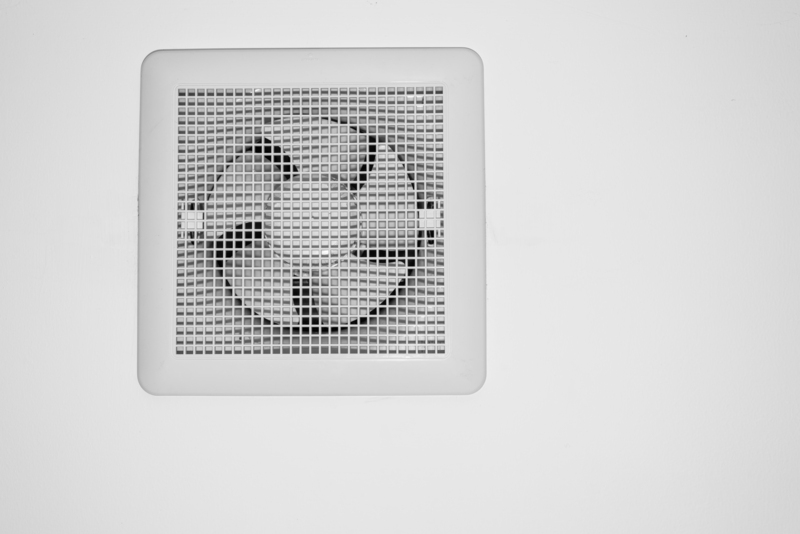
- Improve ventilation: Use extractor fans in kitchens and bathrooms; consider continuous mechanical ventilation if condensation persists.
- Fix leaks and condensation: Insulate cold surfaces, repair seals, and ensure trickle vents are open and clean.
- Dehumidify when needed: Choose energy-efficient models sized for the room; drain via hose for continuous use.
3) Capture and Contain Dust: Cleaning Protocols That Work
- Use true-HEPA vacuuming: Select vacuums with sealed bodies and HEPA H13 filtration (per EN 1822), not just HEPA-type claims. Vacuum carpets, hard floors, skirting boards, sofas, and mattresses at least weekly (twice weekly for allergic households).
- Microfibre damp dusting: Use slightly damp microfibre cloths to trap particles; dry dusting simply redistributes them. Launder cloths at 60?C.
- Work top-to-bottom: Start high (tops of wardrobes, shelves, light fittings) and finish with floors to prevent re-contamination.
- Change vacuum bags/filters: Replace bags before they are overly full and follow manufacturer intervals for HEPA filter replacement.
4) Allergen-Proof the Bedroom
- Encasements: Install dust-mite-proof covers on mattresses, pillows, and duvets (tightly woven, allergen-impermeable; look for Allergy UK Seal of Approval where possible).
- Launder at the right temperature: Wash sheets and pillowcases weekly at 60?C to denature mite allergens. If fabrics are delicate, use a proven anti-allergen laundry additive per instructions.
- Minimise reservoirs: Reduce plush toys or wash them at 60?C weekly; consider freezer treatment (24 hours) for items that cannot be hot-washed, followed by washing to remove residues.
- Flooring choices: Hard floors with sealed surfaces are easier to maintain than wall-to-wall carpets; if carpet is preferred, choose low-pile and vacuum slowly with a HEPA vacuum.
5) Upgrade Filtration and Ventilation
- Central HVAC/heat pump filters: Upgrade to at least MERV 13 (or F7-F8 in EU classes) if system allows; change filters every 3 months or as pressure drop dictates.
- Portable air purifiers: Choose true-HEPA units sized to achieve 4-5+ air changes per hour (ACH) in the room. Avoid ionisers/ozone generators.
- Source control: Use cooker hoods vented outdoors; ensure bathroom fans meet recommended flow rates and are used for 15-20 minutes post-shower.
- Pollen season tactics: Keep windows closed during peak counts; rely on filtered ventilation. Change clothes and shower after outdoor exposure.
6) Entryway Defence
- Two-mat system: Use a coarse outdoor mat and an absorbent indoor mat to capture grit and fine dust.
- Shoe-free policy: Shoes track in particulates and pesticides. Provide storage near the door to make removal easy.
- Seal gaps: Weather-strip doors and windows; repair worn thresholds to reduce outdoor dust infiltration.
7) Furnishings and Materials
- Low-shedding, easy-clean surfaces: Choose leather or tight-weave upholstery; avoid high-pile fabrics and heavy drapes.
- Low-VOC products: Select paints, sealants, and adhesives labelled low/very low VOC; ventilate thoroughly during and after application.
- Declutter strategically: Fewer exposed surfaces mean fewer dust-collecting zones. Opt for closed storage.
8) Kitchen and Bathroom Controls
- Moisture management: Run extractor fans while cooking and showering; wipe condensation on windowsills and tiles.
- Mould vigilance: Treat small patches early with detergent and water; find and fix the moisture source. Consider professional remediation for larger areas.
- Textiles: Wash bath mats and tea towels at 60?C weekly; avoid fabric window treatments near sinks and showers.
9) Pets and Allergen Strategy
- Bedroom boundaries: Keep pets out of bedrooms if possible; provide washable pet bedding and launder weekly.
- Grooming: Bathe or wipe pets with vet-approved wipes to reduce dander; brush outdoors.
- Filtration: Use HEPA purification in rooms where pets spend the most time; vacuum upholstered furniture frequently.
10) Sustainable, Effective Cleaning
- Microfibre + mild detergent: This duo removes particles and residues effectively without harsh chemicals.
- Avoid fragranced cleaners: Many fragrances are VOC sources that can irritate airways.
- Reuse and refill: Choose concentrates and reusable bottles; launder cloths responsibly at energy-efficient settings when possible.
Expert Tips
- Measure what matters: Use a hygrometer for RH and a simple PM2.5 sensor to understand particle levels before and after interventions. Data guides investment.
- Slow vacuum passes win: Two slow passes beat four fast ones. Let the brush and airflow capture particles.
- Bagged vacuums reduce exposure: Sealed bags minimise dust plumes during disposal; if bagless, empty outside and wipe canister seals.
- Filter math: For air purifiers, target 4-5+ ACH. ACH = (CADR x 60) / room volume. Size correctly to avoid disappointment.
- Seasonal bedding rotation: Store duvets and blankets in airtight containers; wash before storing to avoid allergen build-up.
- Gasket checks: Many leaks occur at door sweeps and window seals. Fixing these reduces both dust and energy loss.
- Don't over-wet carpets: If steam cleaning, ensure rapid drying (<24 hours) to prevent mould growth; use dehumidification as needed.
- Test low-VOC claims: Prefer third-party labels (e.g., EU Ecolabel, Blue Angel, or Allergy UK) rather than vague marketing terms.
- Mind the loft: Air leaks from the loft hatch can drop insulation fibres and dust into living areas. Seal and insulate the hatch perimeter.
- Smart scheduling: Plan heavy cleaning when allergic individuals are out; run purifiers on high during and for an hour after cleaning.
Common Mistakes to Avoid
- Dry dusting with feather dusters: They aerosolise particles instead of removing them.
- Buying the wrong "HEPA" vacuum: Many claim HEPA filters but leak around seals; look for "sealed system" designs.
- Ignoring humidity: Without RH control, dust mites rebound quickly, making cleaning gains short-lived.
- Using strong fragrances: Scented candles, plug-ins, and fragranced cleaners can add irritants and mask musty odours instead of solving them.
- Over-reliance on gadgets: Purifiers help, but source control and cleaning routines matter more.
- Infrequent bedding care: Washing pillowcases only is not enough; encasements and 60?C laundering are key.
- Neglecting entryways: A missing doormat can double the dust tracked indoors.
- Over-cluttering: Decor overload increases dust-settling surfaces and cleaning time.
Case Study or Real-World Example
Profile: A family of four in a 3-bedroom semi-detached home in Manchester. Two family members had allergic rhinitis; a cat lived indoors. The house had a mix of carpets and laminate, single bathroom with intermittent extractor, and visible condensation on winter mornings.
Challenges: Morning congestion, frequent dust on surfaces, musty odours in the bathroom, and high pollen season symptoms.
Plan implemented over 6 weeks:
- Moisture control: Replaced bathroom fan with a continuous, humidity-sensing model; set RH target to 50%. Installed a compact dehumidifier for winter months in the coldest bedroom.
- Bedroom focus: Added allergen-proof encasements to all mattresses and pillows; washed bedding weekly at 60?C; removed heavy drapes and installed washable roller blinds.
- Filtration: Upgraded central filter to MERV 13-compatible and added a HEPA purifier (sized for 5 ACH) in the master bedroom. Implemented a two-mat entry system and a shoe-off policy.
- Cleaning routine: Weekly HEPA vacuuming of carpets and sofas; twice-weekly in bedrooms during pollen season. Damp microfibre dusting, focusing on high surfaces and skirting boards.
- Pet management: Groomed the cat outdoors and kept the bedroom pet-free; washed pet bedding weekly.
Results after 8 weeks: Reported 40-60% reduction in morning congestion, less visible dust, RH stabilised between 42-48%, and fewer odour incidents. Annual GP visits for flare-ups dropped, and the family maintained the routine with lower overall cleaning time.
Tools, Resources & Recommendations
To implement Expert Advice on Establishing a Dust-Free, Allergy-Proof Home, the right tools matter. Prioritise performance, standards, and long-term value.
Measurement & Monitoring
- Hygrometer: Track RH in bedrooms, bathrooms, and kitchens; target 40-50%.
- Particulate monitor (PM2.5): Useful for spotting spikes from cooking, vacuuming, or outdoor ingress.
Cleaning & Equipment
- Sealed HEPA vacuum: Look for HEPA H13 filtration with high capture efficiency and good agitation for carpets; consider models with sealed bags to reduce exposure when emptying.
- Microfibre cloths and mop pads: Prefer high-quality, densely woven fibres; launder at 60?C.
- Allergen-friendly laundry solutions: Non-fragranced detergent; anti-allergen additives where needed.
Bedding & Furnishings
- Allergen-proof encasements: Tight weave, zip closure with internal flaps, washable at 60?C; look for certifications (e.g., Allergy UK).
- Washable pillows and duvets: Synthetic fills often wash better at high temperatures; check care labels.
- Low-shedding upholstery: Tight-weave or leatherette surfaces clean easily and shed less fibre.
Ventilation & Filtration
- Extractor fans: Quiet, efficient models for continuous or humidity-sensing operation in bathrooms and kitchens.
- Air purifiers: True-HEPA, appropriately sized for room volume; no ionisers or ozone generation.
- HVAC/heat pump filters: MERV 13 or EU F7-F8 equivalents where system design allows; monitor pressure drop and replace as scheduled.
Consumables & Chemicals
- Low-VOC paints and sealants: Choose verified low-VOC products; ventilate during application.
- Mild, fragrance-free cleaners: Diluted detergent and microfibre remove most soils; reserve stronger products for specific tasks.
Law, Compliance or Industry Standards (UK-focused if applicable)
While residential environments are less regulated than workplaces, UK standards and guidance inform safe, effective approaches to creating an allergen-controlled home:
- Building Regulations Part F (Ventilation): Sets requirements for adequate ventilation in new builds and renovations. Effective extract and fresh-air supply are essential to control humidity, odour, and pollutants.
- Allergy UK Seal of Approval: Independent verification that products reduce exposure to allergens (useful for encasements and vacuums).
- HEPA Standards (EN 1822): Defines performance for high-efficiency filters. Look for H13 or higher for filtration of fine particles and allergens.
- Filter Class Equivalents: MERV 13 (US) is broadly comparable to EU classes F7-F8; useful reference when upgrading filters in compatible systems.
- REACH and CLP Regulations: Govern chemical safety and labelling in the UK. Select cleaning products that comply and are clearly labelled for hazards.
- HHSRS (Housing Health and Safety Rating System): Damp and mould are explicit hazards. Landlords should address structural or ventilation issues contributing to mould growth.
- UKCA/CE Marking: Fans, purifiers, and dehumidifiers should bear appropriate conformity markings indicating compliance with safety and performance requirements.
These frameworks help homeowners and tenants evaluate claims, choose compliant equipment, and advocate for remediation of damp and ventilation issues with landlords or contractors.
Checklist
- Measure RH in key rooms; target 40-50%.
- Install or upgrade extractor fans; use post-shower and during cooking.
- Seal gaps at doors/windows; implement a two-mat entry system and shoe-off policy.
- Use a sealed-body HEPA H13 vacuum; vacuum carpets, floors, skirting and upholstery weekly.
- Damp dust with microfibre, top-to-bottom, weekly.
- Fit allergen-proof encasements on mattresses and pillows.
- Wash bedding at 60?C weekly; launder soft toys and bath mats at 60?C.
- Size air purifiers to 4-5+ ACH; avoid ionisers/ozone.
- Choose low-VOC paints and fragrance-free cleaners.
- Keep pets out of bedrooms; groom outdoors and wash pet bedding weekly.
- Declutter surfaces; prefer closed storage and low-shedding furnishings.
- Inspect for leaks and condensation; remediate mould promptly and safely.
Conclusion with CTA
Creating a genuinely dust-free, allergy-proof home is not about perfection; it is about deploying smart, high-impact strategies that cut exposure where it matters most. Control moisture, prioritise bedrooms, adopt sealed HEPA filtration, choose low-VOC materials, and build a sustainable cleaning routine. These steps--grounded in building science and health guidance--deliver measurable improvements in air quality, comfort, sleep, and day-to-day wellbeing.
Whether you are addressing seasonal pollen surges, persistent dust mite allergies, or mould-related symptoms, the combination of prevention, capture, and containment provides lasting results. Use the tools and standards in this guide to evaluate products confidently and to communicate effectively with landlords, contractors, or family members. Your home can be the healthy haven it is meant to be.
Get a free quote today and see how much you can save.
FAQ
How often should I vacuum to maintain a dust-free, allergy-proof home?
In allergy-prone households, vacuum high-traffic areas and bedrooms at least twice weekly with a sealed HEPA H13 vacuum; other areas weekly. Increase frequency during pollen season or after renovations.
Do I need an air purifier if I already have good ventilation?
Yes, in many cases. Ventilation manages humidity and dilutes pollutants, but only high-efficiency filtration (e.g., true-HEPA) reliably removes fine allergen particles like dust mite fragments and pollen.
What humidity level is best to deter dust mites and mould?
Keep indoor relative humidity between 40-50%. Below 50% reduces dust mite viability, and below 60% is generally unfavourable for mould growth.
Is carpet always a bad choice for allergy sufferers?
Not always. Low-pile carpet maintained with a sealed HEPA vacuum can be acceptable. However, hard flooring with sealed surfaces is generally easier to keep low in allergens.
Do anti-allergen sprays work?
Some can denature proteins temporarily, but they are not substitutes for RH control, encasements, and laundering at 60?C. Use them as a supplementary measure if needed.
What is the difference between HEPA and "HEPA-type" filters?
True HEPA filters meet standards (e.g., EN 1822 for H13) with verified capture efficiency. "HEPA-type" is a marketing term without guaranteed performance or sealed systems.
How do I avoid fragranced products without sacrificing cleanliness?
Use fragrance-free, low-VOC cleaners. A mild detergent solution and microfibre remove most household soils effectively and sustainably.
Can houseplants improve air quality enough to reduce allergens?
Houseplants can be aesthetically pleasing, but their pollutant removal is minimal compared to filtration and ventilation. Some soils may harbour mould; use carefully if you are sensitive.
How can I reduce pollen indoors during peak season?
Keep windows closed during high counts, rely on filtered ventilation and HEPA purifiers, change clothes after outdoor exposure, and shower before bed to remove pollen from hair and skin.
Are steam cleaners good for dust mites?
Steam can kill mites on contact, but it must be used carefully to avoid over-wetting. Dry surfaces rapidly to prevent mould, and combine with encasements and regular hot washing.
Should I get ducts professionally cleaned?
Only if there is visible contamination, mould, or post-renovation debris. Routine filter upgrades and sealed systems usually suffice; follow recognised standards for duct cleaning where applicable.
What certifications should I look for on allergy-related products?
Look for HEPA H13 (EN 1822) filtration claims on purifiers and vacuums, Allergy UK approvals on encasements, low-VOC labels, and UKCA/CE conformity for electrical safety.
Can decluttering really reduce allergies?
Yes. Fewer exposed surfaces mean less dust accumulation and faster, more effective cleaning, which reduces overall allergen load.
What temperature should I wash bedding to remove dust mite allergens?
Wash at 60?C weekly where fabric permits, as this temperature is effective at denaturing mite allergens and reducing populations.
Are ionising or ozone-based air purifiers recommended?
No. Ionising and ozone-generating devices can create respiratory irritants. Choose mechanical filtration with true HEPA instead.
How quickly can I expect symptom improvement?
Many households report improvements within 2-8 weeks after implementing humidity control, bedroom encasements, and HEPA filtration, with further gains over subsequent months.
By combining these answers with the step-by-step plan in this guide, you can implement Expert Advice on Establishing a Dust-Free, Allergy-Proof Home and maintain healthier indoor air for the long term. If you prefer professional help, seek contractors and products aligned with the standards and practices outlined above.